Hi,
We would like to address the following questions in the blog :
1) How to grow cabbage on a farm?
2) What is the best time ?
3) What are good companion plants to grow with cabbage?
4) What not to plant with cabbage?
5) What are the nutrients and vitamins in cabbage?
6) What is the care and maintenance required for the cabbage plant?
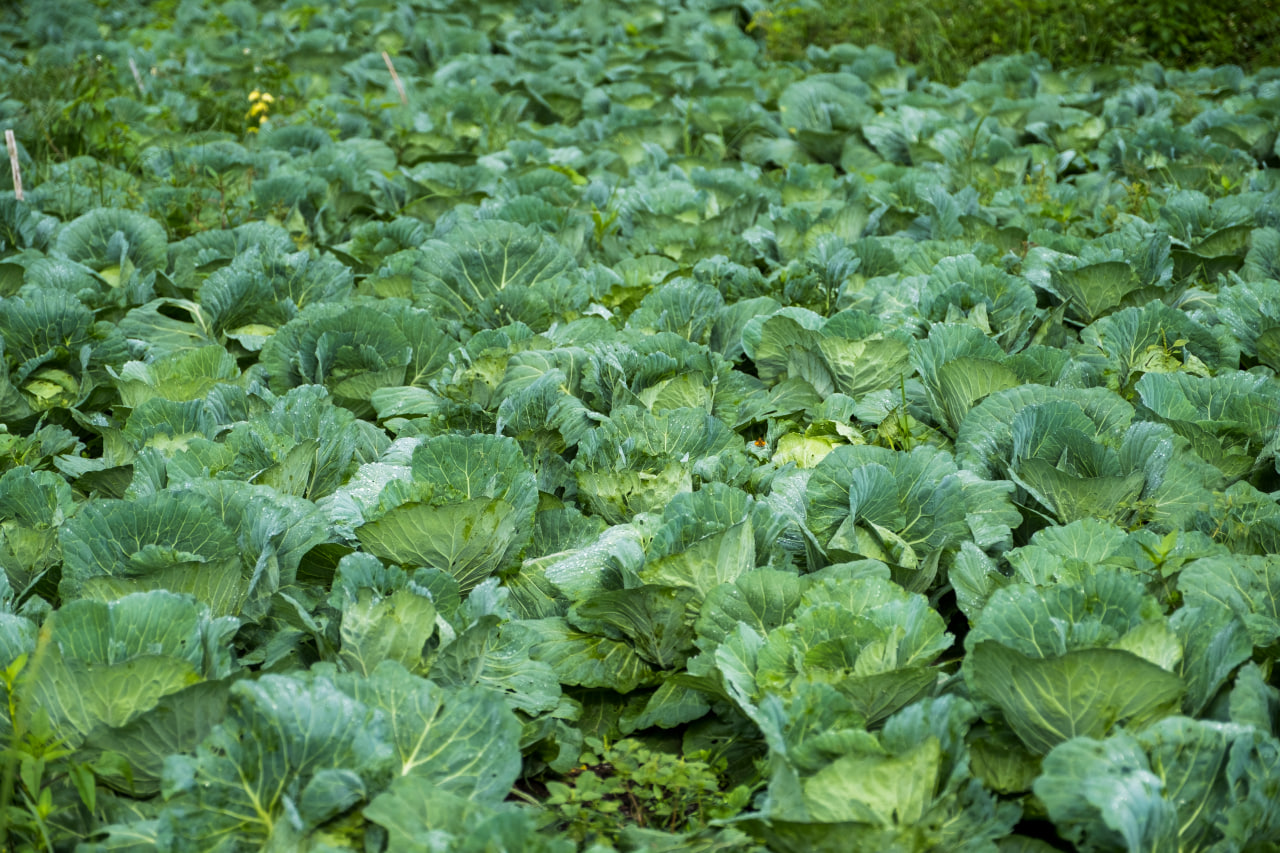
Growing cabbage in a farm requires careful consideration of several factors to ensure a successful harvest. Here are the steps involved in growing cabbage:
Site selection: Choose a location with well-draining soil and full sun exposure. Ensure that the soil pH is between 6.0 and 6.8.
Soil preparation: Improve soil fertility and structure by adding compost or aged manure.
Planting: Plant cabbage seedlings about 12-24 inches apart in rows or clusters.
Watering: Regularly water the plants to maintain even soil moisture. Avoid overwatering, which can lead to waterlogging.
Fertilization: Apply a balanced fertilizer every 3-4 weeks during the growing season.
Pest and disease management: Monitor the plants for pests and diseases, and take necessary measures to control them.
Harvesting: Harvest the cabbage heads when they are firm and fully formed, before they start to split or rot.
The best time to grow cabbage is in spring or fall, when temperatures are between 45-75°F.
Cabbage grows well with companion plants like carrots, beets, onions, celery, and chamomile. However, it should not be grown with other Brassica family plants like broccoli and cauliflower, strawberries, or tomatoes.
Cabbage is a good source of vitamin C, vitamin K, vitamin B6, and dietary fiber.
To care for cabbage plants, water them regularly, mulch around them to conserve moisture and suppress weeds, fertilize them every 3-4 weeks, and monitor them for pests and diseases. Harvest the cabbage heads when they are firm and fully formed, before they start to split or rot.
Categories
- Categories
- Healthy Recipes (12)
- Recipe (13)
Latest Post
- Dubai Escorts Industry Sees Surge in Demand for VIP and Elite Services in 2024
- Dubai Escorts Industry Witnesses Surge in Demand for VIP Escort Services in 2024
- Breaking News: The Rise of Dubai Escort Agency Services in 2024
- Новости Киева: проститутки Киев, секс услуги и индивидуалки в новых реалиях города
- Fresh Organic Vegetables in Gurgaon for Better Living
- Trustworthy Partner for Wholesale Fruits Market in Gurgaon