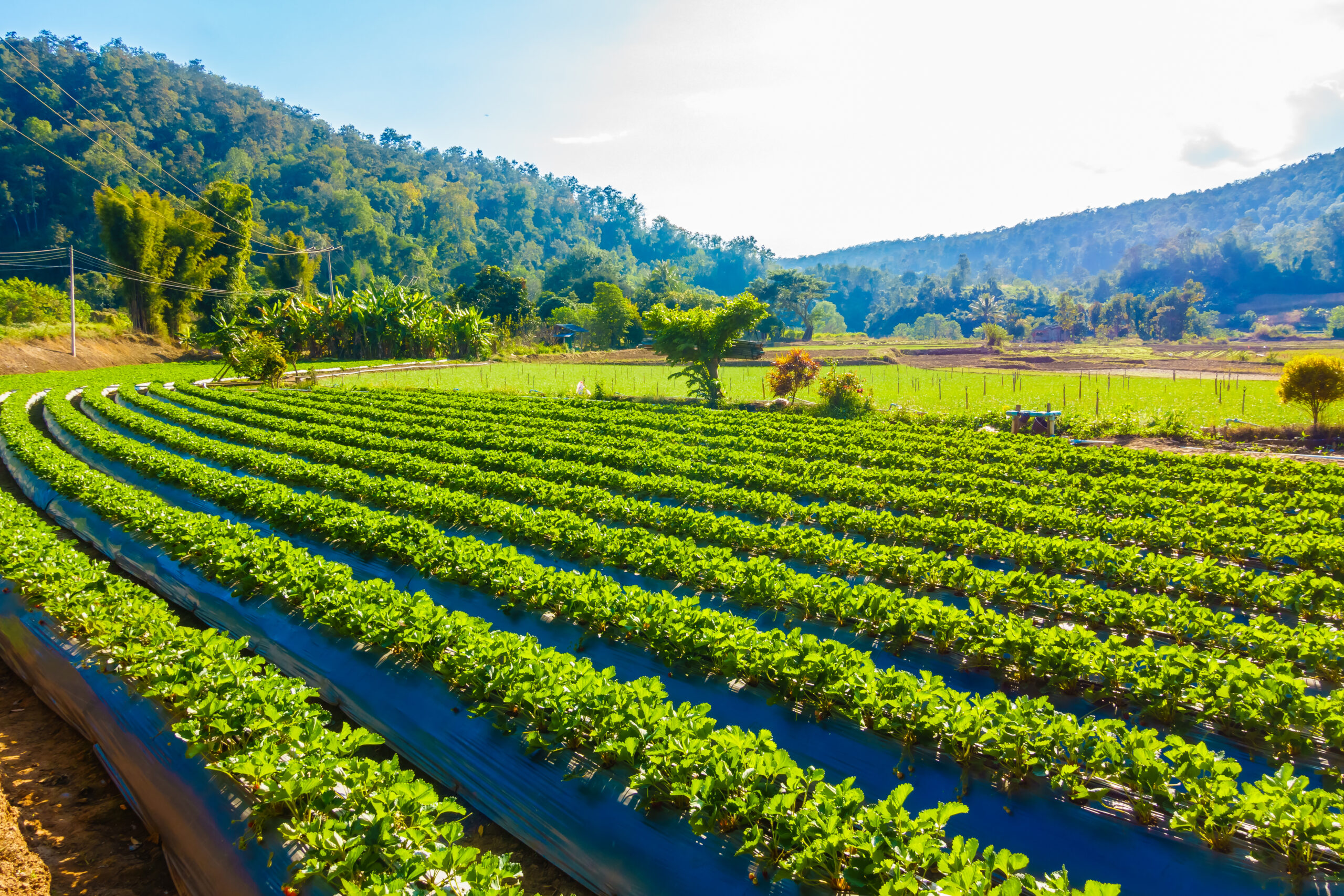
Natural farming, also known as organic farming, is an environmentally-friendly and sustainable farming method that focuses on cultivating crops and raising livestock without the use of synthetic fertilizers, pesticides, and other chemicals. Natural farming emphasizes the use of natural inputs such as compost, manure, and organic matter to enrich the soil and promote healthy plant growth. Here are the steps to get started with natural farming:
1. Evaluate your land: Before starting natural farming, evaluate your land to determine its suitability for farming. Consider factors such as soil quality, water availability, and climate to determine what crops are best suited for your land.
2. Choose your crops: Select crops that grow well in your climate and soil type. Natural farming is versatile, and you can grow any crop using this method.
3. Prepare the soil: Natural farming relies on organic matter to enrich the soil. To prepare the soil, add compost, manure, and other organic matter to the soil to boost its nutrient content and improve soil structure.
4. Use natural pest control methods: Instead of using synthetic pesticides, natural farming uses natural pest control methods such as crop rotation, companion planting, and beneficial insects to control pests.
5. Use natural weed control methods: Instead of using synthetic herbicides, natural farming uses natural weed control methods such as mulching, hand weeding, and cover cropping.
6. Monitor soil health: Soil health is critical to natural farming. Regularly monitor soil health by testing soil pH, nutrient levels, and organic matter content. Adjust soil amendments as necessary to maintain soil health.
7. Harvest and market your crops: When your crops are ready, harvest them and market them. Natural farming is gaining popularity, and many consumers are looking for organically-grown crops. Sell your crops locally or through farmer’s markets to take advantage of this trend.
In conclusion, natural farming is a sustainable and environmentally-friendly approach to farming that can produce healthy crops while protecting the environment. Before starting natural farming, consult with local experts to determine the best practices and techniques for your specific location and crops.
Disclaimer: This article is for educational purposes only. The information provided in this article is not intended to be a substitute for professional advice or expert guidance. Consult with local experts and professionals before starting natural farming.
Categories
- Categories
- Healthy Recipes (12)
- Recipe (13)
Latest Post
- Dubai Escorts Industry Sees Surge in Demand for VIP and Elite Services in 2024
- Dubai Escorts Industry Witnesses Surge in Demand for VIP Escort Services in 2024
- Breaking News: The Rise of Dubai Escort Agency Services in 2024
- Новости Киева: проститутки Киев, секс услуги и индивидуалки в новых реалиях города
- Fresh Organic Vegetables in Gurgaon for Better Living
- Trustworthy Partner for Wholesale Fruits Market in Gurgaon